NK1R Antagonist
-
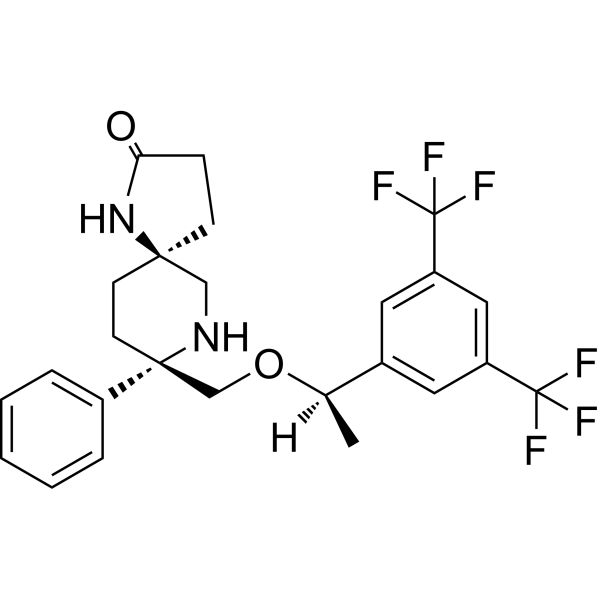
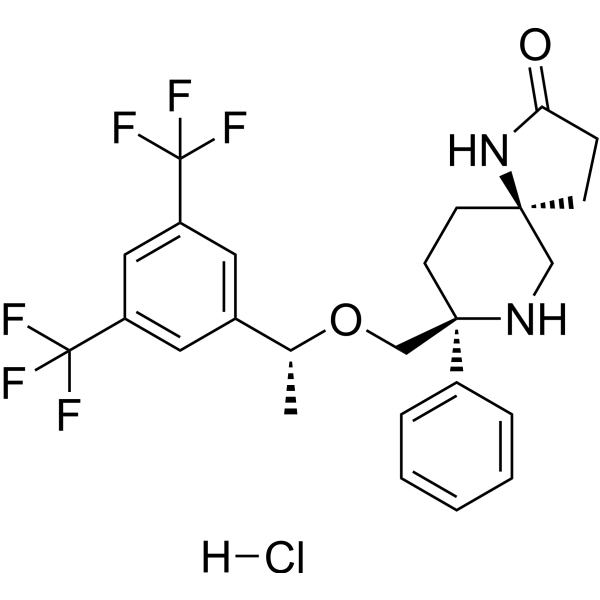
Rolapitant hydrochloride
 0 ImagesCat. No.: HY-14751ACAS No.: 858102-79-1Synonyms: SCH619734 hydrochloride
Rolapitant (SCH619734) hydrochloride is a potent, selective, long-acting and orally active neurokinin 1 (NK1) receptor antagonist with a Ki of 0.66 nM. Rolapitant hydrochloride does not interact with CYP3A4. Rolapitant hydrochloride shows potent anti-emetic activity in a ferret emesis model.
-
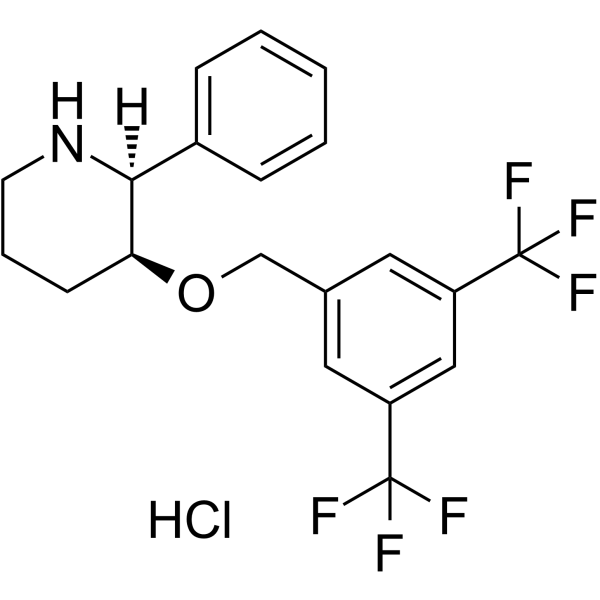
L-733060 hydrochloride
 0 Images
L-733060 hydrochloride is a selective neurokinin-1 (NK-1) receptor antagonist. L-733060 hydrochloride mainly regulates pain transmission and neural plasticity by blocking the binding of Substance P (P substance) to the NK-1 receptor. L-733060 hydrochloride blocks the promoting effect of Substance P on long-term potentiation (LTP) in the hippocampus. L-733060 hydrochloride reverses the orofacial hyperalgesia induced by experimental occlusal interference (EOI) in rats. L-733060 hydrochloride hydrochloride inhibits neurogenic plasma extravasation at a dose that does not cause adverse cardiovascular effects in rodents, and also acts as an anti-tumor agent. L-733060 hydrochloride can be used for the study of chronic orofacial pain.
-
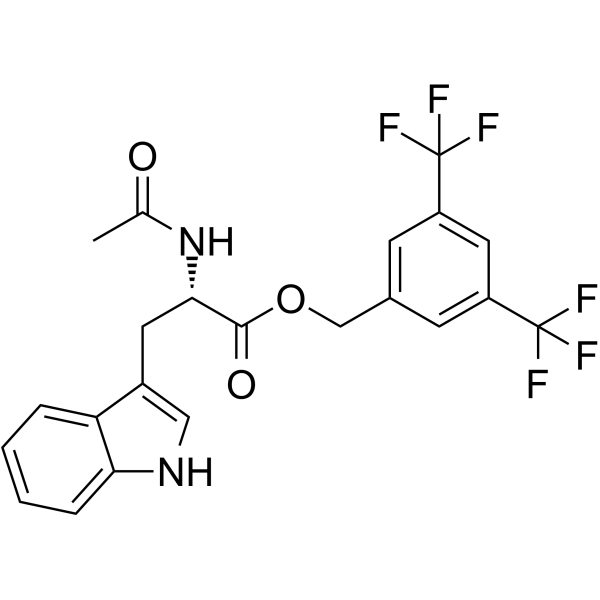
L-732138
 0 Images
L-732138 is a selective, potent and competitive neurokinin-1 (NK-1) receptor antagonist with an IC50 of 2.3 nM. L-732138 has 200-fold more potent in cloned human NK-1 receptors than cloned rat NK-1 receptors, and has > 1000-fold more potent than human NK-2 and NK-3 receptors. L-732138 can reduce hyperalgesia and has antitumor action.
-
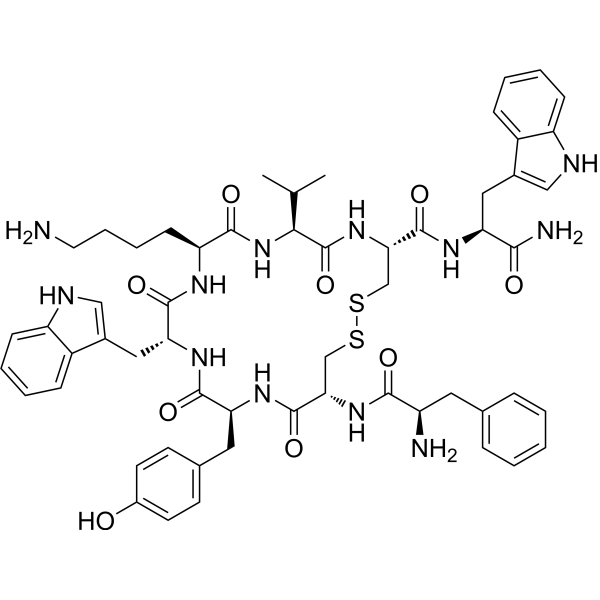
Vapreotide
 0 ImagesSynonyms: RC160; BMY 41606
Vapreotide is a neurokinin-1 (NK1) receptor antagonist, with an IC50 of 330 nM.
-
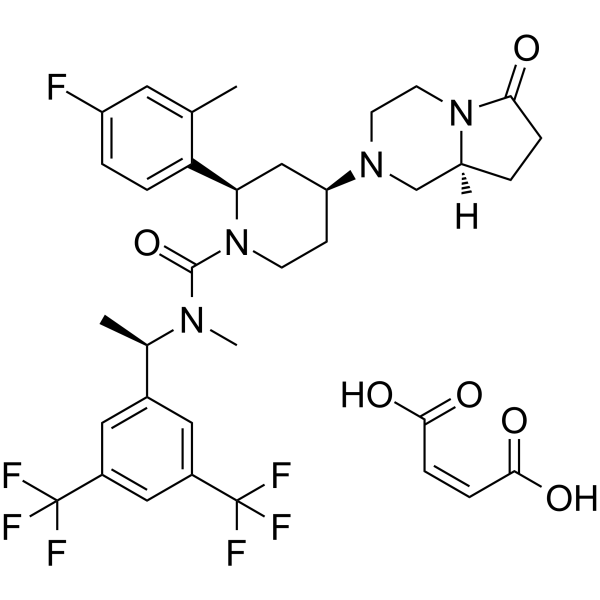
Orvepitant maleate
 0 ImagesSynonyms: GW823296 maleate
Orvepitant maleate (GW823296 maleate) is potent, selective, orally active and well-tolerated neurokinin-1 receptor (NK-1) antagonist with a pKi of 10.2 for human neurokinin-1 receptor. Orvepitant maleate can across the blood-brain barrier. Orvepitant maleate has the potential for depressive disorder and chronic refractory cough (CRC) treatment.
-
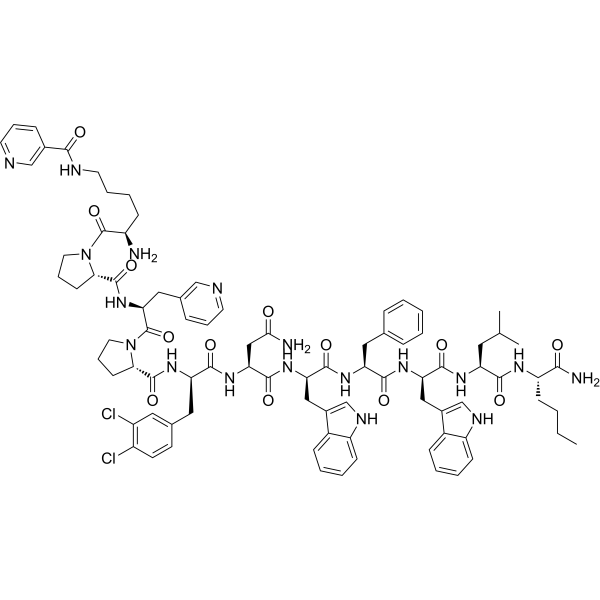
Spantide II
 0 Images
Spantide II, an undecapeptide substance P (SP) analog, is a potent neurokinin-1 receptor (NK-1R) antagonist. Spantide II binds with NK-1R and blocks proinflammatory activities associated with SP. Spantide II can be used in the research of inflammatory skin disorders, such as psoriasis and contact dermatitis.
-
Rolapitant hydrochloride hydrate
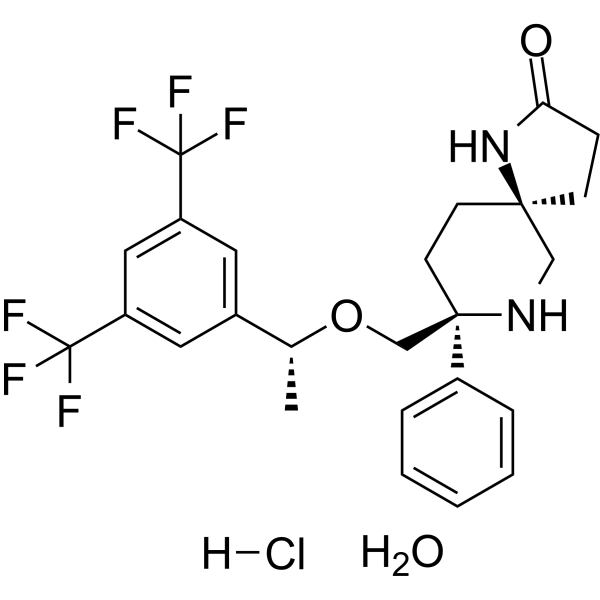 0 ImagesSynonyms: SCH619734 hydrochloride hydrate
Rolapitant hydrochloride hydrate (SCH619734 hydrochloride hydrate) is a potent, selective, long-acting and orally active neurokinin 1 (NK1) receptor antagonist with a Ki of 0.66 nM. Rolapitant hydrochloride hydrate does not interact with CYP3A4. Rolapitant hydrochloride hydrate shows potent anti-emetic activity in a ferret emesis model.
-
Maropitant
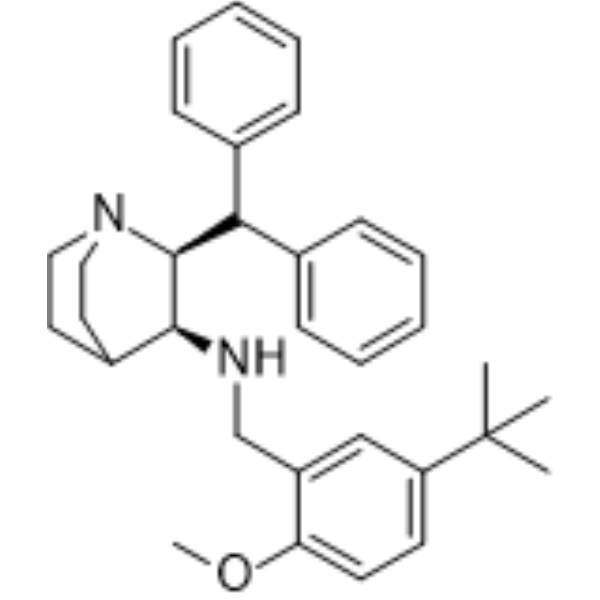 0 Images
Maropitant is an orally active NK1 receptor antagonist. Maropitant prevents vomiting and inhibits ulcerative dermatitis.
-
Casopitant mesylate
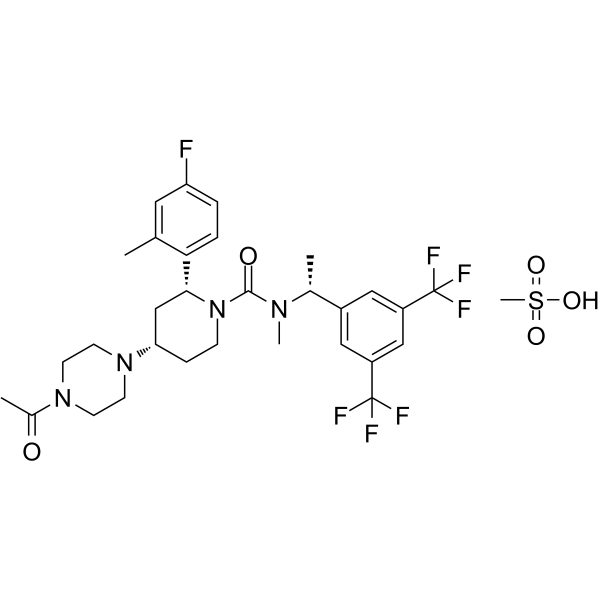 0 ImagesSynonyms: GW679769B
Casopitant mesylate (GW679769B) is a potent, selective, brain permeable and orally active neurokinin 1 (NK1) receptor antagonist. Casopitant mesylate is a second in the class of antiemetics that acts to antagonise the emetogenic effect of Substance P (HY-P0201). Casopitant mesylate is also a substrate and a weak-to-moderate inhibitor of CYP3A4. Casopitant mesylate can be used for chemotherapy-induced nausea and vomiting (CINV) and postoperative nausea and vomiting (PONV).
-
Vofopitant dihydrochloride
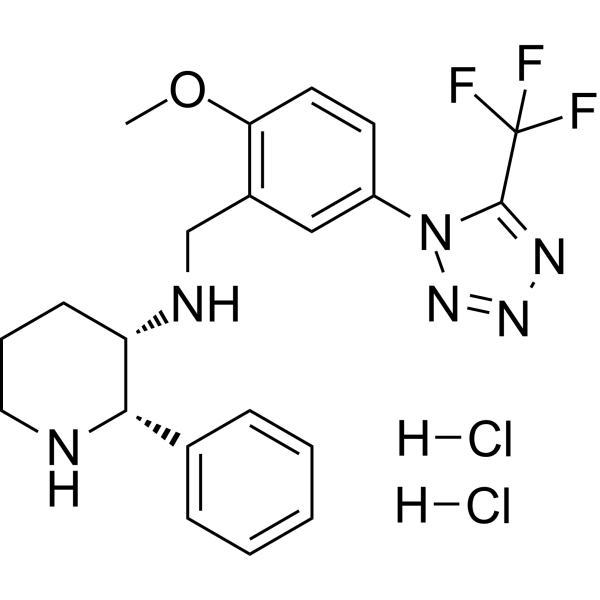 0 ImagesSynonyms: GR 205171A
Vofopitant dihydrochloride (GR 205171A) is a blood-brain barrier-permeable NK1 receptor inhibitor with a pKi of 9.02 in mice. Vofopitant dihydrochloride blocks vomiting-related responses and inhibits pseudoptyalism. Vofopitant dihydrochloride exerts anxiolytic effects, regulates 5-HT receptor function and increases central 5-HT release. Vofopitant dihydrochloride improves hyperarousal symptoms of post-traumatic stress disorder. Vofopitant dihydrochloride can be used in research related to depression, anxiety, vomiting and postoperative nausea and vomiting.
-
Spantide I
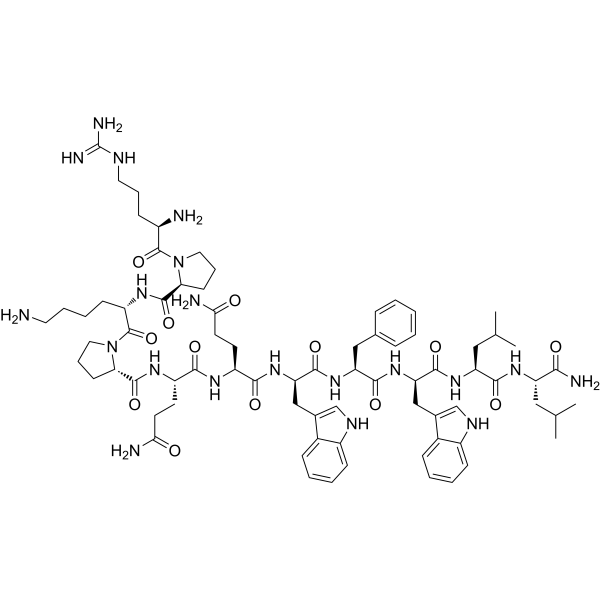 0 Images
Spantide I, a substance P analog, is a selective NK1 receptor antagonist, with Ki values of 230 nM and 8150 nM for NK1 and NK2 receptor, respectively. Spantide I provides an approach to reduce type 1 and enhance the type 2 cytokine IL-10 in the infected cornea, leading to a significant reduction in corneal perforation.
-
Vapreotide acetate
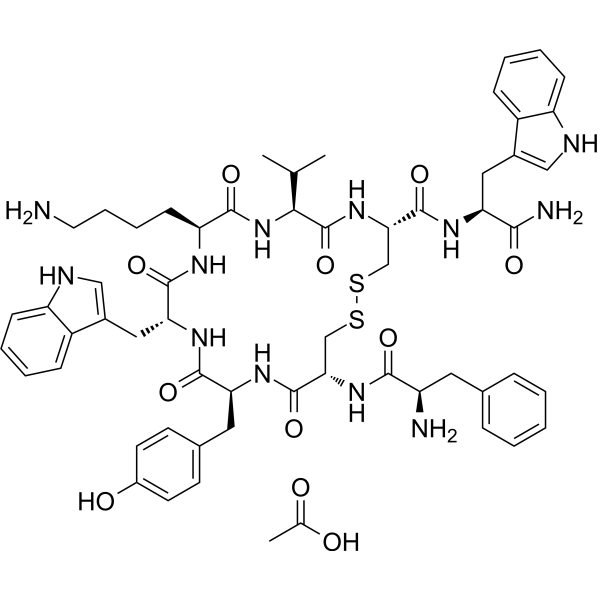 0 ImagesSynonyms: RC-160 acetate; BMY-41606 acetate
Vapreotide acetate (RC-160 acetate; BMY-41606 acetate) is a neurokinin-1 (NK1) receptor antagonist, with an IC50 of 330 nM.
-
NKP608
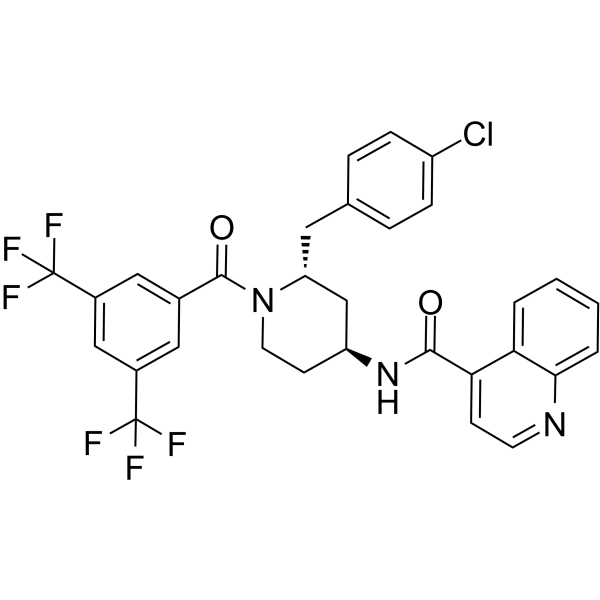 0 Images
NKP608 is a non-peptidic derivative of 4-aminopiperidine, a highly selective, orally active, neurokinin-1 (NK1) receptor antagonist with IC50 of 2.6 nM. NKP608 is active both in vitro and in vivo, showing extremely low affinity for NK2, NK3 receptors. NKP608 exerts its effects by blocking the NK₁ receptor, regulate cell proliferation and apoptosis, affect neurotransmitter functions and gastric mucosal repair mechanisms, and suppress the Wnt/β-catenin pathway in antitumor research. NKP608 is applicable to research related to various diseases, including cough, anxiety disorders, depression, gastric mucosal injury, and colorectal cancer.
-
MEN 10207
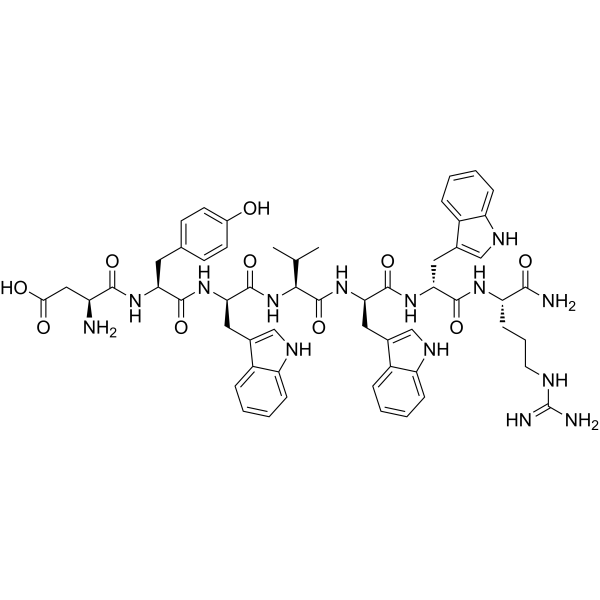 0 Images
MEN 10207 is a selective NK-2 tachykinin receptor (Neurokinin Receptor) antagonist. MEN 10207 has pA2 values of 5.2, 7.9 and 4.9 in three monoreceptor in vitro assays for NK-1, NK-2 and NK-3 tachykinin receptors, respectively.
-
Vofopitant
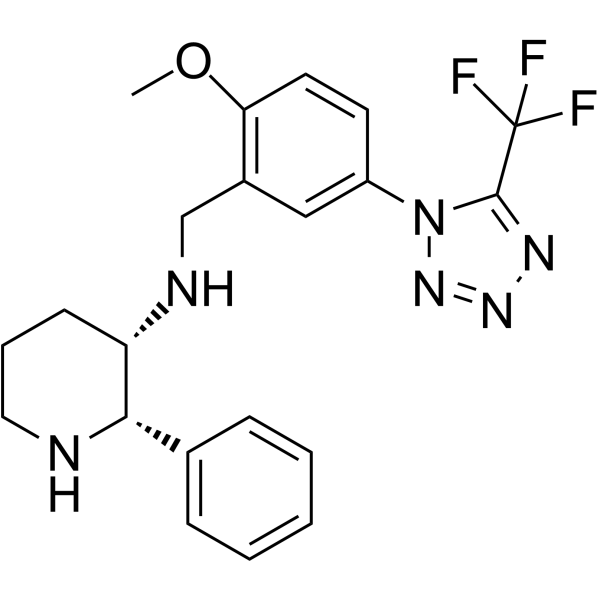 0 ImagesSynonyms: GR 205171
Vofopitant (GR 205171A) is a blood-brain barrier-permeable NK1 receptor inhibitor with a pKi of 9.02 in mice. Vofopitant blocks vomiting-related responses and inhibits pseudoptyalism. Vofopitant exerts anxiolytic effects, regulates 5-HT receptor function and increases central 5-HT release. Vofopitant improves hyperarousal symptoms of post-traumatic stress disorder. Vofopitant can be used in research related to depression, anxiety, vomiting and postoperative nausea and vomiting.
-
Fosnetupitant chloride monohydrochloride
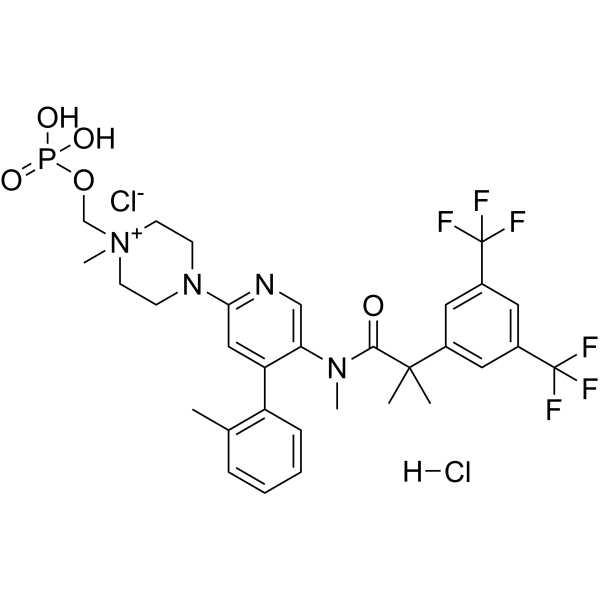 0 ImagesCat. No.: HY-133206ACAS No.: 1643757-72-5Synonyms: Pronetupitant chloride monohydrochloride
Fosnetupitant chloride monohydrochloride (Pronetupitant chloride monohydrochloride) is an NK1 antagonist with pKi values of 9.5, 6.1 for human NK1 and NK3 receptor, respectively. Fosnetupitant chloride monohydrochloride is a methylene phosphate prodrug of Netupitant.
-
Serlopitant
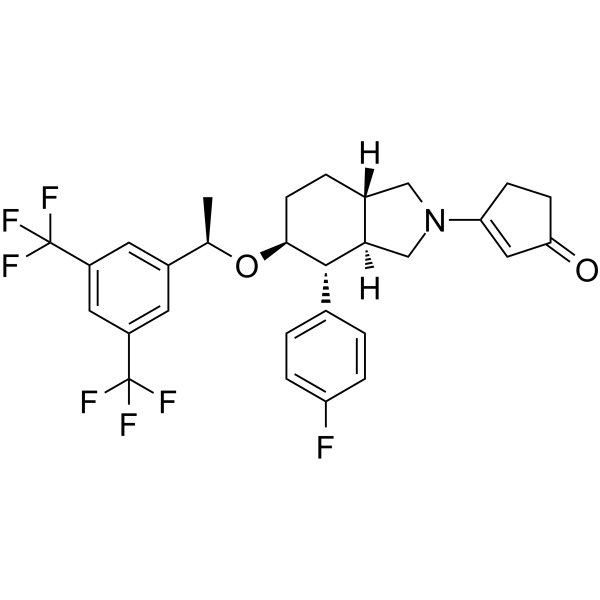 0 ImagesCat. No.: HY-12114CAS No.: 860642-69-9Synonyms: VPD-737; MK-0594
Serlopitant (VPD-737) is an orally active Neurokinin 1 receptor antagonist. Serlopitant inhibits pruritus signal transduction via NK receptors in spinal neurons and brain regions, and blocks the efferent function of substance P in the skin. Serlopitant can be used in research related to chronic pruritus, prurigo nodularis, and pruritus associated with psoriasis.
-
Nolpitantium
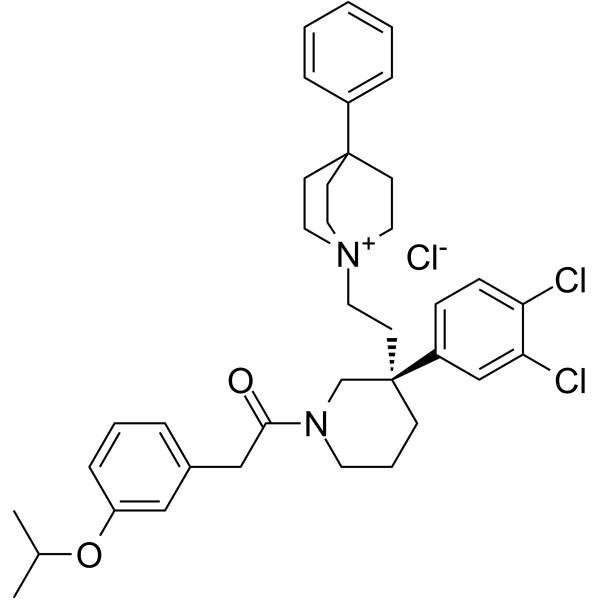 0 ImagesCat. No.: HY-108479CAS No.: 153050-21-6Synonyms: SR140333
Nolpitantium (SR140333) is a potent, selective, competitive, non-peptide tachykinin NK1 receptor antagonist. Nolpitantium blocks the activation of rat thalamic neurons after nociceptive stimulation.